

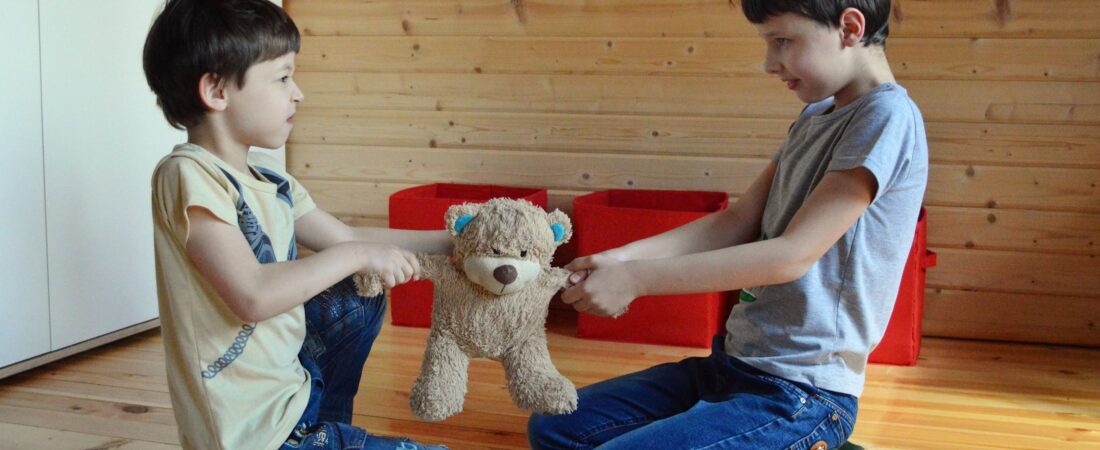
“That’s mine.”
“It’s not fair.”
“I don’t want to share.”
Those moments can leave us wondering, Why is my child being so selfish?
But there is an important difference between noticing a behavior and turning that behavior into an identity.
A child who does something self-focused is not necessarily a selfish child.
Children are still learning how to hold two realities at once: I have needs, and other people have needs too.
That’s something we can guide rather than shame.
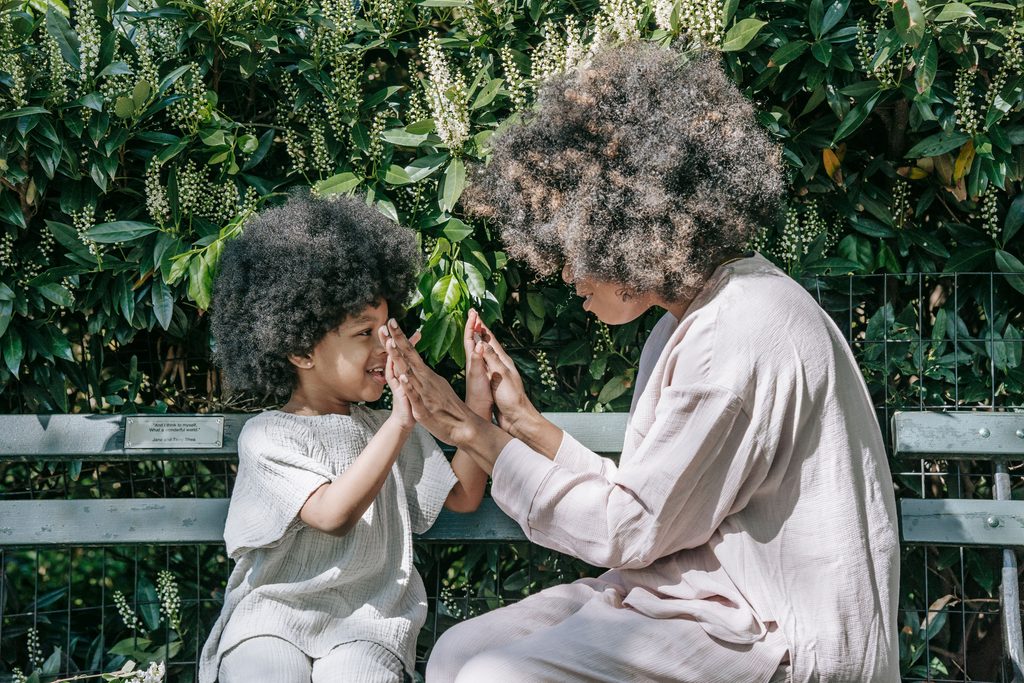
The next time you’re tempted to use the word “selfish,” try shifting the conversation:
- Describe what happened instead of labeling who they are. Instead of saying, “You’re being selfish,” try describing what you noticed without judgment. This opens the door to understanding rather than putting your child on the defensive.
- Help them identify their own need first. Feeling understood can make it easier to consider someone else’s. When children recognize that their own needs matter, they become more open to seeing that others have needs worth considering, too.
- Invite consideration. “What do you think your sister needs right now?” or “Can we think of something that works for both of you?” These simple questions invite children to practice empathy and discover that meeting someone else’s needs doesn’t have to mean giving up their own.
The goal isn’t to teach children that their own needs don’t matter.
It’s to help them discover that their needs can matter without being the only needs in the room.
If this is something you’re navigating at home, I’ve written more about what’s often underneath the behaviors parents describe as selfish.
Love and Blessings,
Katherine Sellery
Questions Parents Often Ask Me About Selfish Behavior in Children
1. Why does my child act selfish sometimes? Children are still learning to recognize that other people have needs and feelings, too. What looks like selfishness may simply be a moment when they’re focused on their own needs.
2. How can I teach my child to share without forcing them? Start by acknowledging what matters to your child. Then invite them to explore solutions that consider everyone’s needs, rather than demanding that they give something up.
3. Should I tell my child they’re being selfish? Instead of labeling your child, describe the behavior you’re noticing. This helps them understand the situation without feeling judged or defined by one moment.
4. How do I help my child develop empathy? Ask gentle questions like, “How do you think your sister feels?” or “What could work for both of you?” These conversations encourage children to consider another person’s perspective.
5. Can I respect my child’s needs while teaching them to consider others? Absolutely. Conscious parenting isn’t about putting one person’s needs above another’s. It’s about helping children understand that their needs matter, and so do everyone else’s.