BOOK KATHERINE TO SPEAK AT YOUR NEXT EVENT


What We Keep, What We Change, and What We Pass On

Have you ever found yourself caught between respecting the way your parents raised you and wanting to do things differently with your own children?
What we keep, what we change, and what we pass on becomes especially meaningful when we watch our parents become grandparents to our children.
There can be something incredibly special about seeing your child develop a relationship with a grandparent. The stories they hear. The traditions they inherit. The little rituals and inside jokes that belong only to them.
And then there are the moments when the generations don’t quite agree.
Grandma questions a boundary you’ve set. Grandpa thinks you’re being too accommodating. Maybe your child is allowed to do something you were never allowed to do growing up.
And sooner or later, you may hear those familiar words:
“We did that with you, and you turned out fine.”
Suddenly, what seemed like a small difference in parenting can touch something much deeper.
Choosing a different approach with our children doesn’t mean we have to reject the people who raised us.
There may be so much from your childhood that you want to preserve. Family traditions. Stories. Humor. Values. The feeling of Sunday dinners, holidays together, or knowing Grandma’s house was always a place you were welcome.
And there may also be things you understand differently now that you’re the parent.
“We can honor what our parents gave us without feeling obligated to parent exactly as they did.”
I think that’s where curiosity becomes so important.
Instead of asking whether the previous generation got it right or wrong, we can begin asking: What from my childhood created connection? What helped me feel safe, respected, and deeply loved? And what do I want to approach differently with my own children?
Sometimes those questions become especially important when grandparents are actively involved in our children’s lives.
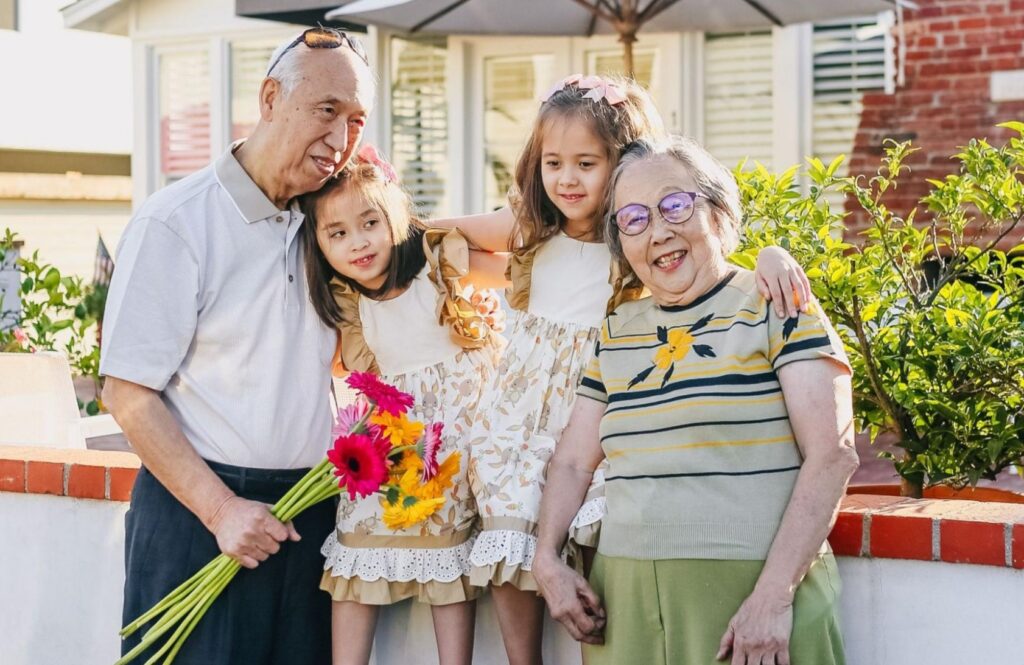
When parenting differences come up with grandparents. Here are a few ways to navigate those moments while protecting both your boundaries and the relationship:
- Notice What Really Matters
Grandparents are going to do some things differently, and that’s okay. Before stepping in, consider whether something is simply different from how you would do it or whether it touches a boundary that genuinely matters to your family. - Choose the Moment for the Conversation
Difficult conversations rarely become easier when everyone is already frustrated. When possible, talk about the difference privately and away from your child, when there’s more room for both of you to listen. - Begin With the Relationship
Instead of starting with what Grandma or Grandpa did wrong, begin with what you share: love for this child. You might say, “I know how much you love them, and I’m so grateful they have you in their lives. There’s something we’re working on as a family, and I’d really appreciate your help with it.” - Leave Room for Different Relationships
Our children don’t need every loving adult in their lives to interact with them exactly as we do. Grandparents can have their own traditions, personalities, and special ways of connecting while still respecting the boundaries that matter most to the family.
And if you hear:
“But you turned out fine.”
You don’t have to prove that your parents were wrong.
You might simply say:
“I know you made the choices you believed were best for me. I’m trying to do the same for my children.”
There is room for gratitude and change in the same family.
As we celebrate Grandparents Day, perhaps that’s something worth remembering.
We can keep the traditions that brought us closer. We can carry forward the values and stories that still matter deeply to us. And we can thoughtfully change the things that no longer reflect the kind of relationship we want to create with our children.
Our children don’t need us to erase where we came from.
They can know where they came from while watching us consciously decide what our family carries forward.
So perhaps there are two questions worth sitting with today:
What did the generation before me give me that I want to preserve?
And what am I choosing to do differently for the generation after me?
Both answers can come from love.
Love and Blessings,
Katherine Sellery
How do I handle grandparents who disagree with my parenting? Start by identifying which differences truly require a conversation. When something is important, discuss it calmly and privately. Focus on what your child or family needs rather than proving that one parenting approach is right and another is wrong.
What should I say when a grandparent tells me, “You turned out fine”? You don’t have to criticize how you were raised. You might acknowledge that your parents made the choices they believed were best while explaining that you are doing the same with the information, values, and understanding you have today.
Should grandparents follow all of the same parenting rules? Not necessarily. Children can experience different relationships with different adults. What matters is distinguishing between harmless differences and boundaries that are important to your child and your family.
How can I set boundaries with grandparents without damaging the relationship? Lead with appreciation, communicate outside moments of conflict, explain what matters and why, and invite grandparents to work with you. Clear boundaries and loving relationships can exist together.